
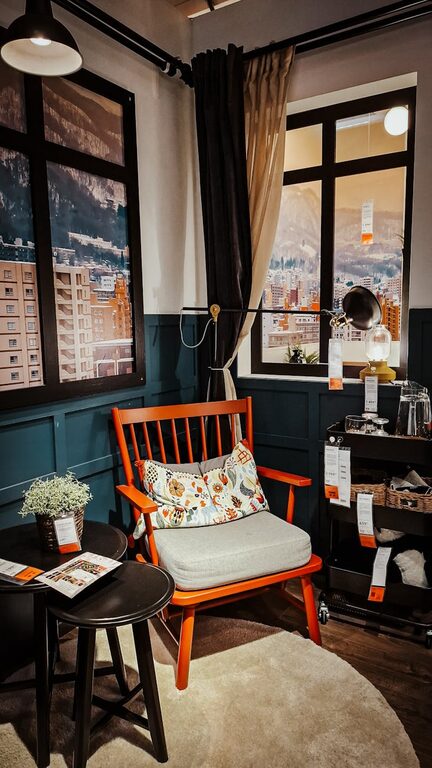
Creating a comfortable atmosphere at home starts with more than just furniture and colors—it heavily depends on lighting. Proper home lighting not only brightens your rooms but also affects your mood, productivity, and even your health. Whether you’re reading a book in the living room or cooking in the kitchen, the right lighting can make all the difference. In this guide, we’ll explore how to choose comfortable lighting for your home, with practical ideas to help you select fixtures and bulbs that suit your lifestyle.
Why Comfortable Lighting Matters
Comfortable lighting balances brightness, color, and placement to create an inviting space. Too bright or harsh lighting can cause strain and discomfort, while dim or poorly placed light can make tasks difficult. Good lighting should support your daily activities and enhance relaxation, making every room feel welcoming.
Understand Different Types of Lighting
Before choosing fixtures, it helps to know the main categories of lighting:
– Ambient Lighting: General, overall light that fills a room.
– Task Lighting: Focused light for specific activities like reading or cooking.
– Accent Lighting: Decorative light used to highlight features or create mood.
Combining these layers allows you to customize your lighting and improve comfort.
Tips for Selecting Comfortable Lighting
1. Consider the Purpose of Each Room
Think about how you use each space:
– Living Room: A mix of warm ambient lighting and adjustable task lighting for reading or hobbies.
– Kitchen: Bright, clear task lighting is key for food prep; under-cabinet lights can help.
– Bedroom: Soft, dimmable light to promote relaxation and better sleep.
– Bathroom: Bright, natural light near mirrors to avoid shadows.
– Home Office: Even, bright light that reduces eye strain during screen work.
2. Choose the Right Light Bulbs
Bulb choice impacts both comfort and energy use.
– LED Bulbs: Energy-efficient and long-lasting, LEDs come in various color temperatures.
– Color Temperature: Measured in Kelvins (K), this indicates how warm or cool the light appears.
– Warm White (2700K–3000K) feels cozy and inviting.
– Neutral White (3500K–4100K) suits workspaces.
– Cool White (5000K–6500K) mimics daylight, good for areas needing high visibility.
– Brightness: Measured in lumens; higher lumens provide more light. Adjust based on room size and function.
3. Use Dimmers and Multiple Light Sources
Dimmers let you tailor brightness to your mood or activity, adding flexibility. Combining ceiling lights, floor lamps, table lamps, and wall sconces creates layers that adapt to different needs and avoid harsh shadows.
4. Prioritize Glare Reduction
Glare can cause eye discomfort. Opt for fixtures with shades or diffusers that soften the light. Position lamps so direct light doesn’t hit your eyes. Matte finishes and lower wattages can also help.
5. Select Fixtures that Complement Your Style
Comfort isn’t just about function—it’s also about feeling happy with your environment. Choose lighting fixtures that match your decor style but also offer practicality. A well-placed pendant light or stylish lamp can enhance both aesthetics and comfort.
6. Account for Natural Light
Maximize daylight by positioning seating and work areas near windows. Use sheer curtains or blinds to control brightness without eliminating natural light. During the day, natural light can reduce the need for artificial lighting, creating a comfortable, energy-saving setup.
7. Mind Energy Efficiency
Comfortable lighting should also be sustainable. LEDs are the best energy savers. Look for ENERGY STAR-rated bulbs and fixtures to reduce electricity use without sacrificing comfort.
Common Mistakes to Avoid
– Overly Bright Lighting: Can be tiring and harsh.
– Uniform Lighting: Relying on just one source can make rooms feel flat.
– Ignoring Color Temperature: The wrong tone can affect mood and visibility.
– Static Fixtures: Not having adjustable lights limits versatility.
Final Thoughts
Choosing comfortable home lighting is about balancing the science of light with your personal preferences. By understanding lighting types, selecting suitable bulbs, layering your light sources, and factoring in natural light, you can create spaces that feel both functional and welcoming. Remember, good lighting evolves with your lifestyle, so don’t hesitate to experiment with different combinations to find what works best for you.
With the right approach, your home can shine in comfort every day!